Why Rest Days are Part of the Plan
Recovery isn't slacking. It's strategy. Here's what the Thick But Fit Crew does on off days — and why it matters just as much as showing up to class.
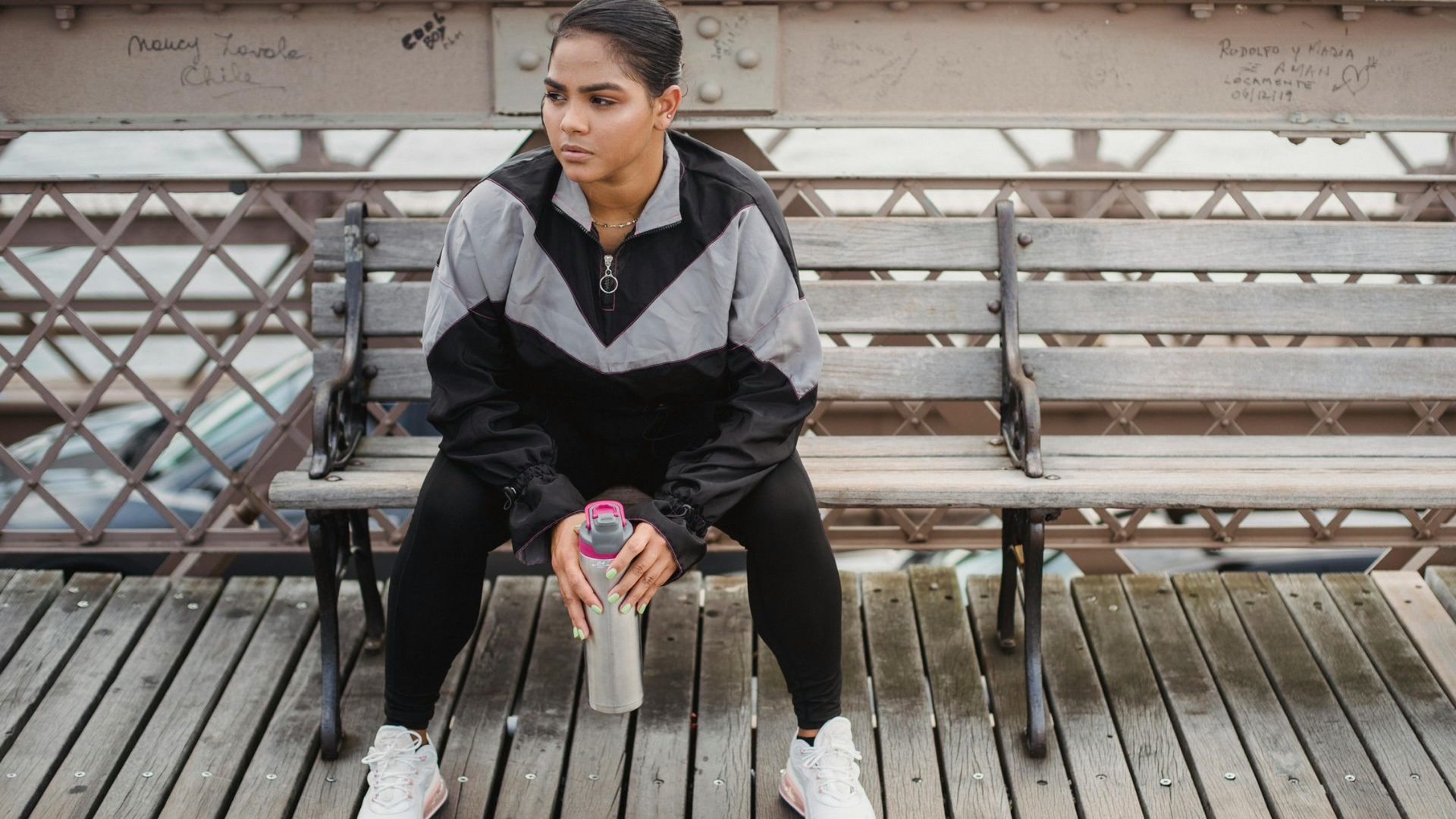
Somewhere along the way, fitness culture convinced us that more is always better. More days in the gym. More intensity. More pushing through. And while consistency absolutely matters, there's a piece of the puzzle that often gets left out of the conversation: rest.
Rest days are not a reward for working hard. They are not a sign of weakness or laziness. They are a required, science-backed part of any effective fitness routine. And if you're skipping them, you might actually be slowing your progress — not speeding it up.
Let's break it down.
What Actually Happens to Your Body When You Work Out
Every time you exercise — whether it's a Drum Fit class, a walk, or a strength session — you create tiny tears in your muscle fibers. That sounds alarming, but it's completely normal and actually necessary. The soreness you feel the next day? That's those micro-tears doing their thing.
Here's the key part: your muscles don't get stronger during your workout. They get stronger during recovery, when your body repairs those micro-tears and builds the fibers back thicker and more resilient than before.
No recovery time = no repair = no growth. It really is that simple.
THE SCIENCE BIT: Overtraining — working out too intensely without adequate rest — has been linked to increased injury risk, decreased performance, hormonal imbalances, chronic fatigue, and even mood disturbances. Rest is protective, not passive.
Signs You Might Need a Rest Day
- You feel unusually tired even after a full night's sleep
- Your muscles feel heavy or achy in a way that feels different from normal soreness
- Your motivation to work out has dropped significantly
- You're getting sick more often (overtraining suppresses the immune system)
- Your performance in class feels worse, not better, despite regular attendance
- You feel irritable, anxious, or emotionally flat
LISTEN TO YOUR BODY: Your body is always communicating with you. Learning to tell the difference between 'I'm tired because I worked hard' and 'I'm tired because I need rest' is one of the most important fitness skills you can develop.
What the Thick But Fit Crew Does on Rest Days
Rest doesn't have to mean lying on the couch all day (though sometimes that's exactly what's needed!). Active recovery — gentle movement that supports your body without taxing it — is one of the best things you can do on your off days.
Gentle Walking
A 20–30 minute walk increases blood flow to sore muscles, speeding up recovery without adding strain. Bonus: fresh air is good for your mental health too.
Stretching & Yoga
Light yoga or a dedicated stretching session improves flexibility and releases tension in overworked muscles. Even 15 minutes makes a difference.
Foam Rolling
Self-myofascial release (fancy term for foam rolling) helps break up muscle tightness and improve circulation. Focus on your calves, thighs, and upper back.
Swimming or Water Walking
Water workouts are incredibly gentle on joints while still keeping you moving. Great for days when your body is sore but your mind wants to be active.
Self-Care & Sleep
A rest day is the perfect time to prioritize sleep, a relaxing bath with Epsom salts, or simply doing something that refills your cup mentally and emotionally.
How Many Rest Days Do You Need?
There's no one-size-fits-all answer, but here are some general guidelines:
- Beginners (new to regular exercise): 2–3 rest days per week
- Intermediate (exercising 3–4x/week for several months): 1–2 rest days per week
- After high-intensity classes like Drum Fit: at least 1 full rest day before the same muscle group is worked again
The most important thing is to build rest into your plan on purpose — not just take it when you're completely falling apart.
Progress is built in the quiet moments just as much as in the loud ones. Every rest day is an investment in your next great workout. Honor it, enjoy it, and know that you're still moving toward your goals — even when you're still.
Thick. Fit. On the Move.
Wellness Corner